
Hello Everyone. As promised, I will be posting periodically to my blog. So here it goes...
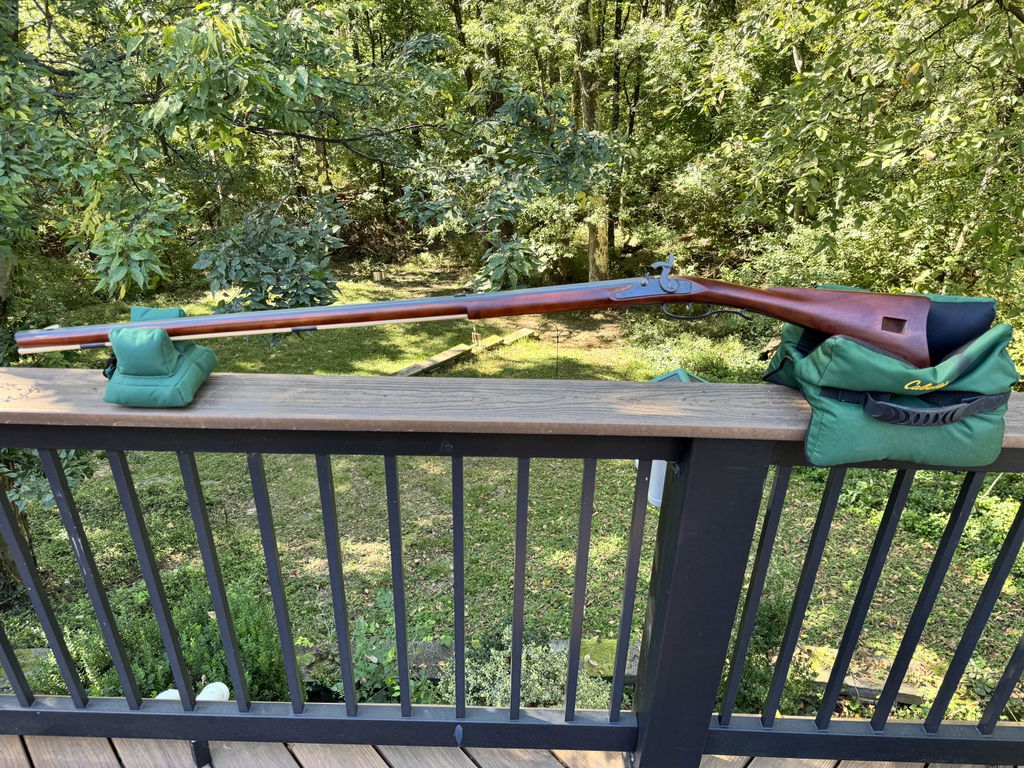
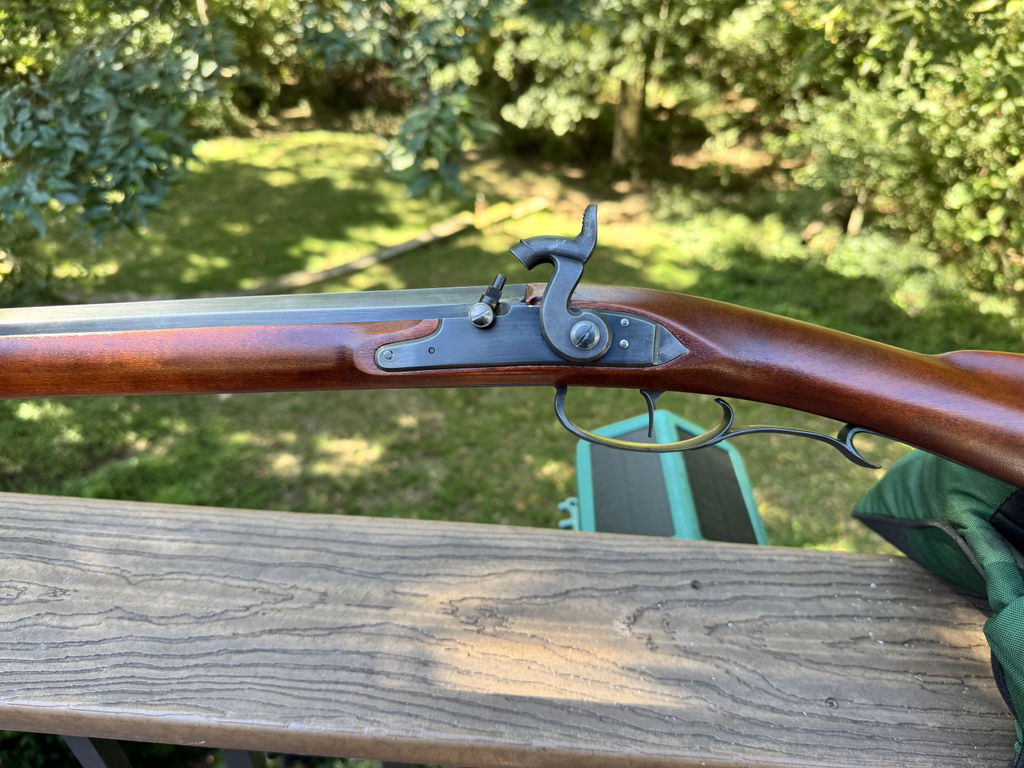
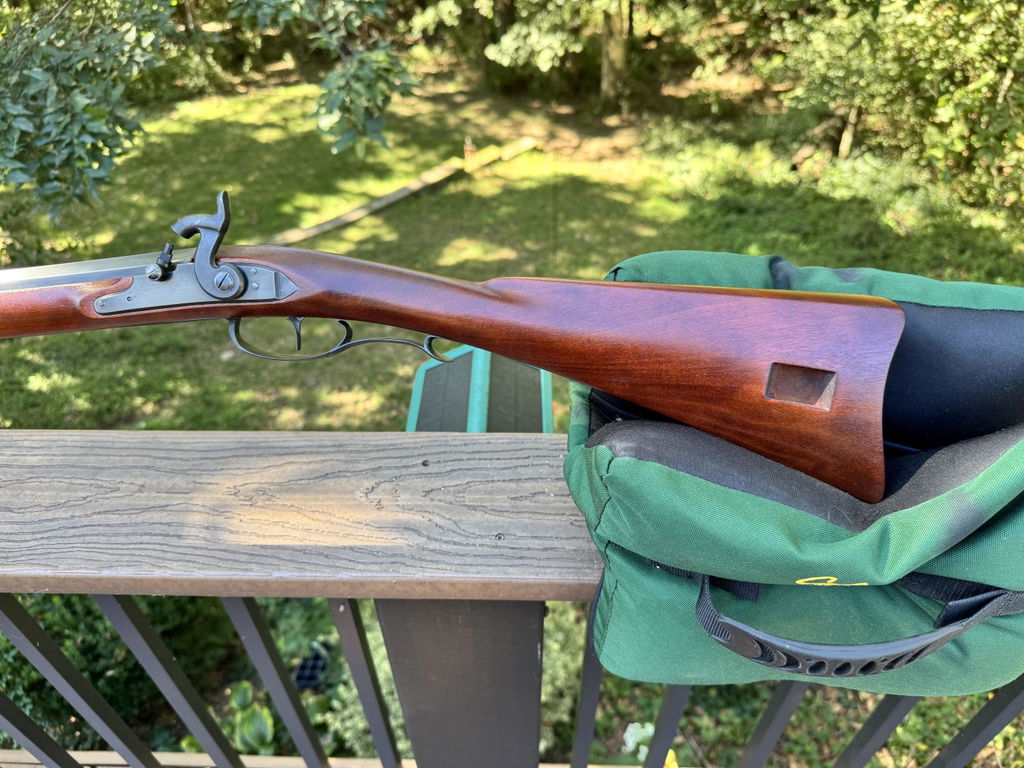
For the last while I've been building a late 17th century or early 18th century fowling piece stocked in burl maple. Burl maple was quite fashionable for gunstocks from around 1670 until 1710 or so. It is fairly rare wood and somewhat difficult to work. It's prone to having a lot of defects, voids etc, but its beauty is unmatched in my view.
Magnificent Burl in Berea, Ohio.
I have experimented quite a bit with finishing in order to try to bring out the most figure. I've tried dyes, ferric nitrate (aquafortis) etc. but never seemed to get the results I was hoping for. Many burl stocked original guns I've examined have been finished in a manner to create dramatic contrast in the wood figure (see the Cookson fowling piece and Italian carbine shown in the Originals tab).
For some time I've heard about the use of tannic acid to accentuate maple figure. This is used in conjunction with ferric or iron nitrate in the staining process. In practice a solution of tannic acid in water is prepared and applied to the bare stock. After this dries, the iron nitrate is applied. A reaction between the iron nitrate and tannic acid occurs forming an iron tannate compound which is very dark in color. After this step, the entire stock is quite dark.
Next comes abrading the stock to work the stain off the long grain wood to bring out the figure. This process relies on the varying grain direction of burl wood. The stain can be fairly easily removed from the long grain regions, but is quite permanent in the end grain areas since the stain is absorbed pretty deeply. I found it best to use a combination of fine sand paper and woven abrasive Scotch-Brite pads. It was also helpful to use oil or finish during this process, to keep the abrasives from becoming plugged and to evaluate the progress.
After the stock was worked back sufficiently, I applied stock finish mixed with a warm amber colored aniline dye to give a slight color to the long grain regions of the wood. After a bit more finishing here is how the stock looks. Pretty dramatic if I say so myself!
If anyone has any questions or comments I'd love to hear from you.
Jim


Leave a comment