

What the Hawken was, what to look for in a kit, and a look at the J.K. Hawken.
From Jim Kibler and the team at Kibler's Longrifles. Updated June 2026.
The Short Answer
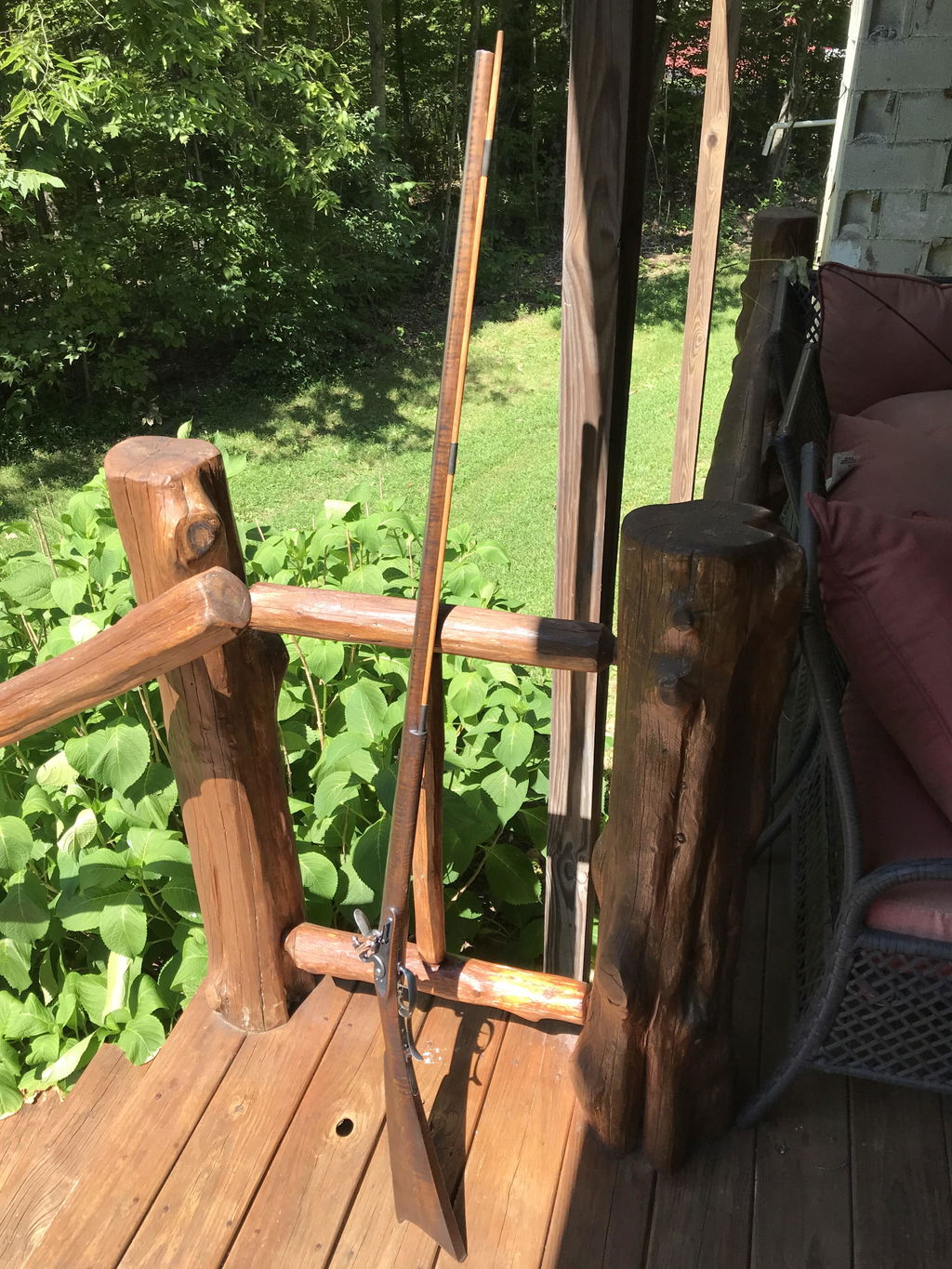
A Hawken rifle kit lets you build the percussion plains rifle of the western fur trade era at your own bench. The things that matter most in any Hawken kit are an honest, reliable lock, a good barrel, correct architecture, and how much of the hard fitting is already done for you. Kits cover a wide range. Some are low-cost factory kits that need real hand fitting and are poorly designed. Some are traditional parts sets that you inlet from scratch. Others, like our J.K. Hawken, are precision machined so most of the fitting is already complete and the finishing is left to you.
What a Hawken Rifle Is
The Hawken is the rifle of the Rocky Mountain fur trade. Jacob and Samuel Hawken built them in St. Louis starting in the 1820s, and the style came to define the western plains rifle: shorter and heavier than the eastern longrifle, larger in caliber, and built for hard use on horseback and on the trail. Most were percussion, the ignition that took over from the flintlock in that period. Mountain men and traders carried them west, and the name has stood for the plains rifle ever since.
So when people talk about a Hawken today, they usually mean a half-stock percussion rifle in the St. Louis pattern, in a larger caliber, plain and iron mounted rather than heavily decorated.
What to Look For in a Hawken Kit
Not every Hawken kit asks the same thing of you. A few things to weigh before you buy:
The lock. Ignition is the heart of the rifle. A reliable percussion lock makes the whole rifle pleasant to shoot. A poor one is the most common source of frustration for new shooters.
The barrel. Look at the profile, the caliber options, and the twist rate for the load you want to shoot.
The architecture. A Hawken should look like a Hawken. The lines, the drop, and the hardware should follow the originals rather than just approximate them.
How much work is left. This is the big one, and it sets both the price and the skill you need. Some kits are sold as a box of parts and a roughly shaped stock, where you inlet the barrel, lock, and furniture yourself. That is real gunsmithing and can run a hundred hours or more. Lower-cost and poorly designed factory kits come further along but still need filing and fitting to seat the parts. Machined kits arrive with the inletting and the difficult cuts already done, so your time goes into shaping, finishing, and assembly rather than heavy fitting.
Support. Clear instructions and a way to ask questions matter, especially on a first build.
There is no single right answer here. The right kit depends on your budget, your tools, and how much of the work you want to take on yourself.
The J.K. Hawken, in Plain Terms
We designed the J.K. Hawken to be historically correct to the St. Louis pattern, and we machine it in-house in Kensington, Ohio. The history lives in the design. The precision comes from the machining. The hand work, the part that makes the rifle yours, is left for you at your bench.
What that means in practice:
- Ignition: it comes with our CNC Hawken percussion lock
- Calibers: .45, .50, .54, and .58, rifled.
- Barrel: 31 inches to the standing breech, tapered, with interchangeable barrels on fixed outer dimensions.
- Triggers: double set.
- Stock: maple, fancy maple, extra fancy maple, walnut, or cherry, with an optional iron patch box and an optional German silver inlay package.
- Finished weight: around 8.5 pounds in .45 and 7.5 pounds in .58.
The inletting and the difficult machining are done before the kit ships. What is left for you is the work that makes each rifle different: shaping and sanding the stock, fitting and finishing the metal, browning or bluing the iron, staining and sealing the wood, and final assembly.
How Hard Is It to Build
We rate the J.K. Hawken as an easy build for a first-time builder, and builders tend to agree. One wrote that the rifle "almost falls together, everything fits with little finish work." Another finished his over four weeks of evenings and weekends. A builder in Alaska, on his fourth Kibler kit, said it went together more smoothly than the others, even with the humidity change from Ohio.
Easy does not mean instant. You still finish the wood and metal yourself, and a careful, unrushed job is what gives you a rifle worth keeping. Jim walks through the whole build on our YouTube channel, step by step, so you are not working alone.
What It Costs
The J.K. Hawken starts at $1,725 in standard maple, with the percussion lock included. Fancier wood, an iron patch box, and the German silver inlay package raise the price from there. The current price list and full specifications are on the product page.
Frequently Asked Questions
Is the Hawken a flintlock or a percussion rifle?
The J.K. Hawken is percussion. Percussion ignition is what most original Hawken rifles used. It is reliable and straightforward, which makes it a good first muzzleloader for many builders.
What caliber should I choose?
.50 and .54 are common all-around choices for the plains rifle and for deer. The .58 is the largest we offer. The kit is made in .45, .50, .54, and .58, all rifled.
Is the J.K. Hawken a good first build?
Yes. We rate it easy for beginners because the inletting and the hard machining are already done. You will still finish the wood and metal, but you do not need a shop full of tools or prior gunsmithing experience.
What is included in the kit?
A complete kit, including the percussion lock. You supply the finishing materials and a basic set of hand tools.
How long does it take to build?
That depends on you. Many builders finish over several weekends. The finishing steps, browning the iron and building up the wood finish, take the most time, and they reward patience.
Where is the kit made?
We design and machine our kits in-house in Kensington, Ohio.
About the Maker
Jim Kibler built custom flintlocks by hand since 1990. In 2015 he turned that experience into the kit approach: rifles designed to be historically correct and machined to modern precision, so a first-time builder can put together a rifle at home.
See the J.K. Hawken Rifle Kit and the full specifications, and watch Jim build one.
Leave a comment